
The Allure of Chance and Risk
The appeal of casino gaming often lies in its intrinsic connection to chance and risk. Players are drawn to the unpredictability of outcomes, which creates a thrilling environment. This allure is deeply rooted in human psychology, where the anticipation of winning can trigger the release of dopamine, the brain’s reward neurotransmitter. This chemical response enhances feelings of pleasure and excitement, making the act of playing not just a game but an addictive pursuit that keeps players coming back for more. For those seeking a unique experience, non gamstop uk casino options can provide an alternative that some find appealing. The thrill associated with the possibility of winning big can overshadow rational thought, leading many to gamble beyond their means.
Moreover, the anticipation of risk can create a unique psychological state known as “loss aversion.” This phenomenon suggests that the pain of losing a bet is often felt more intensely than the joy of winning. Consequently, players may engage in risky behaviors, such as doubling down or chasing losses, in hopes of recovering their stakes. This cycle can lead to problematic gambling behavior, showing how the thrill of risk can overshadow rational decision-making. Many players may find themselves caught in a loop of betting more while attempting to regain what they have lost, highlighting the complex relationship between risk and reward.
Additionally, casino environments are meticulously designed to amplify these psychological effects. From the bright lights and sounds to the use of enticing colors, every element works to keep players engaged. The immersive atmosphere is crafted to enhance the excitement of the gaming experience, making it easy for individuals to lose track of time and money. Understanding the interplay of environment and player psychology helps explain why individuals may feel an irresistible urge to gamble, even when they know the odds are against them. This intricate relationship between attraction and risk is central to the casino experience, creating an environment where players can easily become enmeshed in a cycle of gambling.
The Role of Superstitions and Rituals
Superstitions and rituals are commonplace in the casino gaming world, and they play a significant role in shaping player behavior. Many individuals believe that certain rituals, like wearing a lucky charm or performing a specific pattern when placing bets, can enhance their chances of winning. This belief speaks to a psychological phenomenon known as “magical thinking,” where people attribute meaning to random events, creating a sense of control in an uncertain environment. Such beliefs can serve as a psychological comfort, providing players with a sense of agency in situations where the outcomes are inherently unpredictable.
These rituals can also act as coping mechanisms, helping players manage the stress that comes with gambling. Engaging in a personal ritual before a game can instill confidence and decrease anxiety, enhancing the overall gaming experience. By establishing a routine, players create a psychological anchor that can help them navigate the emotional highs and lows of gambling. However, this reliance on rituals can also lead to overconfidence, where players believe their actions are influencing the outcome, further complicating their relationship with luck and chance.
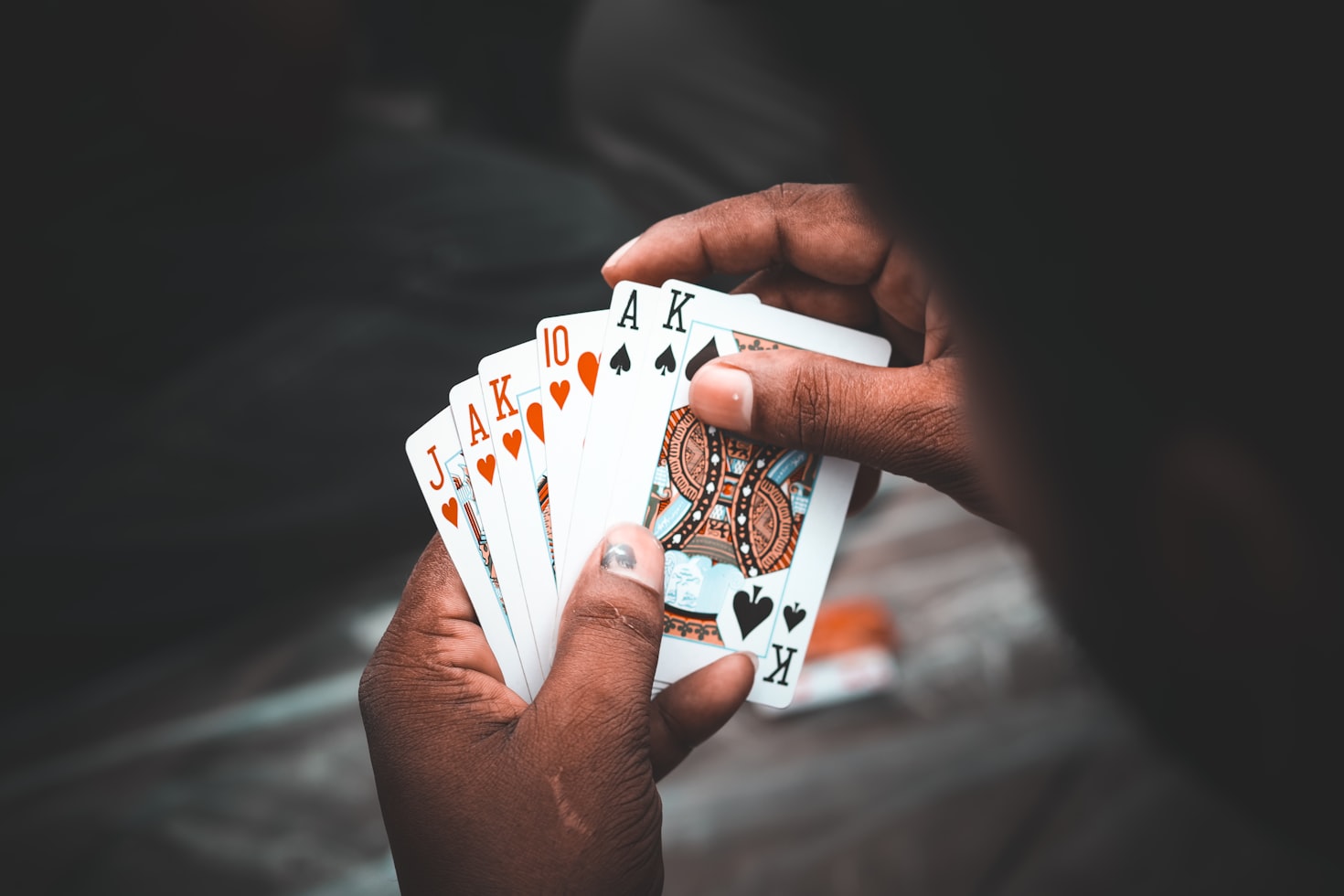
Interestingly, rituals can sometimes lead to maladaptive behavior. When players rely too heavily on these beliefs, they may continue to gamble despite mounting losses, convinced that their luck will eventually change. This reliance on superstition underscores the importance of understanding the psychological factors at play in casino gaming, as it can directly impact a player’s gambling habits and decision-making processes. Ultimately, the intertwining of belief and behavior highlights the need for awareness regarding the psychological aspects of gambling, as they can significantly affect a player’s experience and choices.
The Impact of Social Interaction
Social interaction is a powerful aspect of casino gaming that can significantly influence player behavior. Many individuals enjoy the communal aspects of gaming, sharing in the excitement of wins and losses with others. This social environment fosters a sense of belonging and may contribute to the overall enjoyment of the gaming experience. The human connection formed in this context can amplify the emotional highs associated with winning, creating a shared narrative that enhances engagement. For many, the social component of gaming transforms a solitary activity into a communal celebration, heightening the overall appeal of the gaming experience.
Moreover, the competitive nature of casino games can spur players to take risks they might not otherwise consider. The presence of others can heighten the thrill and encourage individuals to push their limits. For example, during a game of poker, the competitive tension among players can lead to bolder decisions that they may have avoided in a solitary setting. This interplay of social dynamics highlights how the group setting can affect individual gambling behavior, fostering a sense of camaraderie while also potentially encouraging reckless gambling practices.
However, while social interaction can enhance enjoyment, it can also lead to negative consequences. Peer pressure may encourage reckless gambling, leading individuals to take larger risks than they are comfortable with. The desire to impress others or fit in with a group can lead to decisions that compromise personal limits and financial stability. Understanding the duality of social interaction in casino gaming is crucial for both players and casino operators, as it can inform strategies for promoting responsible gaming while maintaining the allure of social play. Recognizing the influence of social dynamics can help create a more balanced and responsible gaming environment.
The Psychological Effects of Winning and Losing
The psychological outcomes of winning and losing in casino gaming can have profound effects on players’ mental states. Winning can lead to a euphoric high, reinforcing the behavior and encouraging players to continue gambling. This rush is often so intoxicating that players may lose track of time and money in pursuit of another win, demonstrating how victory can cement gambling as a pleasurable experience. The emotional high associated with winning can create a feedback loop, prompting players to chase that initial thrill repeatedly, even if it leads to detrimental consequences.

Conversely, losing can elicit feelings of frustration, disappointment, and even shame. These negative emotions often push players to pursue further gambling in an attempt to recoup losses, leading to a destructive cycle. The psychological impact of these swings in fortune can vary widely, affecting a player’s emotional well-being and decision-making process in both the short and long term. The contrast between the highs of winning and the lows of losing can create a rollercoaster of emotions that complicates a player’s relationship with gambling.
Understanding these emotional elements is essential for recognizing the potential for addiction in casino gaming. Those who experience frequent highs and lows may find themselves trapped in a cycle of gambling, where the excitement of wins masks the detrimental effects of losses. Addressing the psychological ramifications of both winning and losing can help players develop healthier relationships with gambling and avoid the pitfalls of addictive behaviors. By fostering awareness of these emotional dynamics, players can better navigate their gambling experiences and make informed choices about their gaming habits.
Understanding Responsible Gaming
Promoting responsible gaming is vital in the context of casino gaming, especially as awareness of gambling addiction grows. Understanding the psychology behind gaming behavior can aid in creating strategies designed to help players maintain control over their gambling activities. By fostering an environment that emphasizes awareness of one’s habits and limits, casinos can contribute to a healthier gaming culture. This approach requires a commitment to educating players about the risks and consequences associated with gambling, empowering them to make informed decisions.
Many casinos are now implementing programs that focus on educating players about the risks associated with gambling and encouraging self-exclusion for those who feel they may have a problem. These initiatives are grounded in psychological principles that acknowledge the dopamine responses and emotional challenges players face. By providing resources for self-assessment and support, casinos can help mitigate the negative impacts of gambling. Additionally, creating a supportive environment that promotes healthy gaming habits can encourage players to engage in responsible behaviors.
In an increasingly digital age, responsible gaming initiatives also extend to online platforms, reinforcing the need for user-friendly tools that allow players to set limits on their spending and gaming time. As the landscape of casino gaming evolves, the integration of psychological understanding into responsible gaming practices will be essential for promoting a safer, more enjoyable experience for all players. By prioritizing responsible gaming, both players and operators can work towards creating a balanced and sustainable gaming environment that fosters enjoyment without compromising safety.
Recent Comments