
Exploring the fascinating evolution of gambling through the ages
Ancient Beginnings of Gambling
The history of gambling can be traced back thousands of years to ancient civilizations. Evidence suggests that the earliest forms of gambling appeared in Mesopotamia around 3000 BC, where dice were crafted from bones and other materials. These primitive games of chance were likely played as a form of entertainment and social engagement, showcasing humanity’s intrinsic attraction to risk and uncertainty. Over time, these rudimentary activities evolved, reflecting the cultures and values of the societies that practiced them. For further insights into online options, you can check out https://casinosroom.co.uk/, which explores various popular games.

In ancient China, gambling was integrated into everyday life and was often linked to various ceremonies and festivals. The Chinese even created games like Keno, which utilized a lottery-style format. Similarly, the Greeks and Romans were known for their love of games that involved betting, such as dice and board games. These ancient civilizations laid the groundwork for the gambling practices we recognize today, highlighting the enduring appeal of chance-based activities throughout history.
The spiritual and philosophical beliefs of ancient cultures also influenced their gambling practices. For instance, many viewed gambling as a way to communicate with the divine, believing that fortune could be swayed by deities. This cultural interweaving of spirituality and chance not only enriched the gambling experience but also reinforced social bonds, making these early games central to community life.
The Middle Ages and Regulation
The Middle Ages brought significant changes to the landscape of gambling as various societies began to impose regulations on betting activities. As gambling became more popular, authorities recognized the need to regulate it to prevent corruption and cheating. In many parts of Europe, gambling was closely associated with the rise of the nobility, who often hosted private games in their courts. The establishment of rules and formats for games became crucial, as it allowed for a more structured and fair playing environment.
This period also saw the emergence of organized gambling establishments. The first recorded public gambling house appeared in Venice in the 16th century, which paved the way for the development of casinos as we know them today. The concept of these establishments quickly spread across Europe, and by the 17th century, they became a significant aspect of social life, reflecting a growing acceptance of gambling as a recreational activity.
Additionally, the invention of printed playing cards in the 15th century greatly expanded the popularity of card games. These cards allowed for new games and betting formats that captivated players across the continent. Gambling during the Middle Ages thus transitioned from informal gatherings to more structured environments, setting the stage for the modern casino experience.
The Rise of Modern Gambling
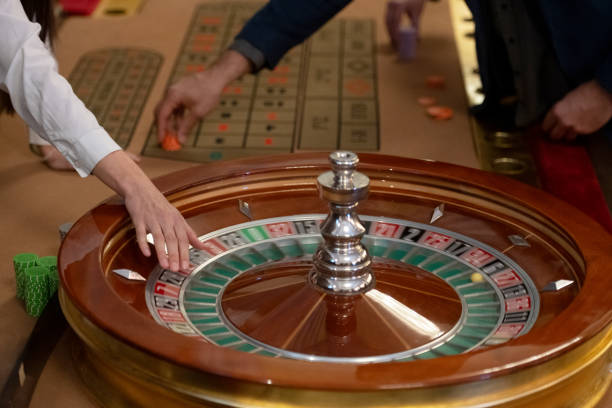
The 18th and 19th centuries marked a pivotal point in the evolution of gambling, with the establishment of formal gambling houses and the emergence of new games. This era saw the introduction of roulette and blackjack, which quickly gained popularity among the elite and common folk alike. The French Revolution had a significant impact, as many aristocrats fled to other countries, bringing their gambling habits and games with them, which contributed to the expansion of gambling culture across Europe and beyond.
As gambling continued to grow, so did the need for regulation. Countries began to introduce laws governing betting activities to ensure fairness and protect players. This led to the creation of betting commissions and the establishment of rules for various games, making gambling safer and more appealing to a broader audience. The growth of railroads and telecommunications also made it easier for people to access gambling establishments, contributing to the rise of a gambling culture that extended beyond physical locations.
Furthermore, the 20th century saw the advent of lotteries and state-sponsored gambling, which provided new avenues for players to engage in betting. This not only expanded the scope of gambling but also allowed governments to benefit financially. The proliferation of slot machines and the establishment of Las Vegas as the gambling capital of the world epitomized this era, cementing gambling’s place in popular culture and society.
The Digital Revolution and Online Gambling
The late 20th and early 21st centuries ushered in the digital revolution, transforming the gambling landscape dramatically. The advent of the internet opened up new possibilities for online gambling, allowing players to access their favorite games from the comfort of their homes. This shift was significant, as it removed geographical barriers and made gambling more accessible than ever before. Online casinos began to emerge, offering a wide variety of games that catered to all types of players.
Online gambling platforms quickly adapted popular games such as poker, blackjack, and slots for digital play. Innovations such as live dealer games and virtual reality experiences further enhanced the online gambling experience, creating an immersive environment that rivals traditional casinos. Additionally, mobile technology enabled players to engage in gambling activities on-the-go, further expanding the audience and the variety of platforms available.
The growth of online gambling also brought with it new challenges, including concerns about addiction and the regulation of digital platforms. Governments worldwide began to enact laws to protect consumers and ensure fair play in the online realm. Despite these challenges, the evolution of online gambling has undoubtedly reshaped the industry, making it more inclusive and dynamic while also fostering a community of players who share a passion for games of chance.
Casinos Room: Your Guide to Online Gambling
As the world of gambling continues to evolve, Casinos Room stands at the forefront, providing players with comprehensive insights and expert reviews of online casinos. Whether you’re a seasoned gambler or new to the scene, this platform offers an extensive collection of resources to enhance your gaming experience. From detailed game guides to the latest news on bonuses and promotions, Casinos Room equips users with the knowledge necessary to navigate the vast online gambling landscape.
With a focus on reliability and user experience, Casinos Room carefully evaluates various online casinos, helping players make informed choices. The site features a wide array of games, including slots, poker, and bingo, ensuring there’s something for everyone. Players can explore expert reviews, tips, and strategies to maximize their enjoyment and potential wins while engaging in responsible gambling.
In a world where online gambling is ever-changing, Casinos Room remains committed to keeping users informed and empowered. By providing up-to-date information and valuable insights, this platform is dedicated to making your online gaming adventure both rewarding and enjoyable, ensuring that you can dive into the exciting realm of gambling with confidence.